How Toy Car Advent Calendars Teach Toddlers Patience and Delayed Gratification
These advent calendars can teach toddlers patience only as a daily wait, not as a scored lesson in delayed gratification. One door opens each day starting December 1, and the other doors stay closed until their morning. The listing never uses the words patience or delayed gratification, and it prints no trait score.
Patience as a door that stays closed
Patience, in the plain sense that fits this countdown, is leaving a door shut until the day printed for it. The listing tells a household to start on December 1 and open one door each day. That rule creates a wait. Tomorrow's vehicle is real, and it is not available yet. Delayed gratification is the everyday name for wanting something and not taking it early. The page never uses that phrase. It talks about anticipation for the big day and a joyful countdown. Those sentences describe excitement held overnight. They do not describe a psychology test.
Toddlers are named in the seller's audience language. The page also speaks to children who love vehicles and to kids who like to collect, race, and explore. No numeric age appears, so the set is not assigned to a year of life and not limited to toddlers by a printed band. A very young child may not understand why a door stays closed. An adult can keep the closed doors out of reach and still let the opened vehicle be played with. That is household management. It is not a method the listing certifies. The listed price of $29.95 buys the vehicles. It does not buy a temperament plan.
How calendars teach a wait without a score

Photo by RDNE Stock project on Pexels
The teaching, such as it is, happens by repetition. Each morning has the same shape. One door. One new pull-back vehicle. A short time to hold it, draw it backward, and watch it roll. Then the rest of the doors stay as they were. Across many mornings the child can learn that a want can wait until tomorrow. The listing does not promise that lesson will stick, and it does not measure self-control. Cultivate, the verb on the page, belongs to hands and eyes, not to a patience percentile.
Play after the reveal is still part of the morning. The vehicles are colorful pull-back toys, described with high-speed fun that is not a measured speed. Children can race two vehicles that are already open. That race is immediate play, which is different from the wait for the next door. Both can sit in the same day. Hours of fun is the tone. It is not a required length of waiting. If the child is upset that later doors stay closed, an adult can end the session. The countdown does not require a struggle to count as valid. A calm stop still respects the one-door rule.
Delayed gratification the page never measures
A scored version of delayed gratification would name a task, a delay, and a result. None of that is here. There is no timer, no reward chart, and no statement that children who wait do better later. Inventing those pieces would turn a holiday countdown into a study the seller did not run. The honest claim is smaller. A closed door is a visible wait. An opened door is the end of that day's wait. Twenty-four uniquely designed vehicles mean the waited-for object changes. The page does not say the designs get better, bigger, or faster as Christmas nears.
Other printed lines should not be recruited as trait evidence. Durable, high-quality materials built to last describe the vehicles, not a child's persistence. Safety tested and approved to United States toy standards describes safe play, not emotional fitness. Easy to carry and usable outdoors describes where a roll can happen, not a patience field trip. The set is an alternative to a tools countdown, which is a contents contrast, not a character claim. Hands-on play and coordination of hands and eyes remain the learning words that are actually printed. Patience can be practiced beside them. Delayed gratification, as a measured outcome, is not confirmed.
Waiting habits versus printed promises
| Idea | What the page supports | What it does not | | --- | --- | --- | | Patience | One door waits until tomorrow | A trait score | | Delayed gratification | Not a printed phrase | A timer or a chart | | Toddlers | Audience wording only | A numeric age | | Anticipation | Excitement for Christmas | A clinical result | | Price | $29.95 for the vehicles | A development program |
Using the countdown to practice a wait

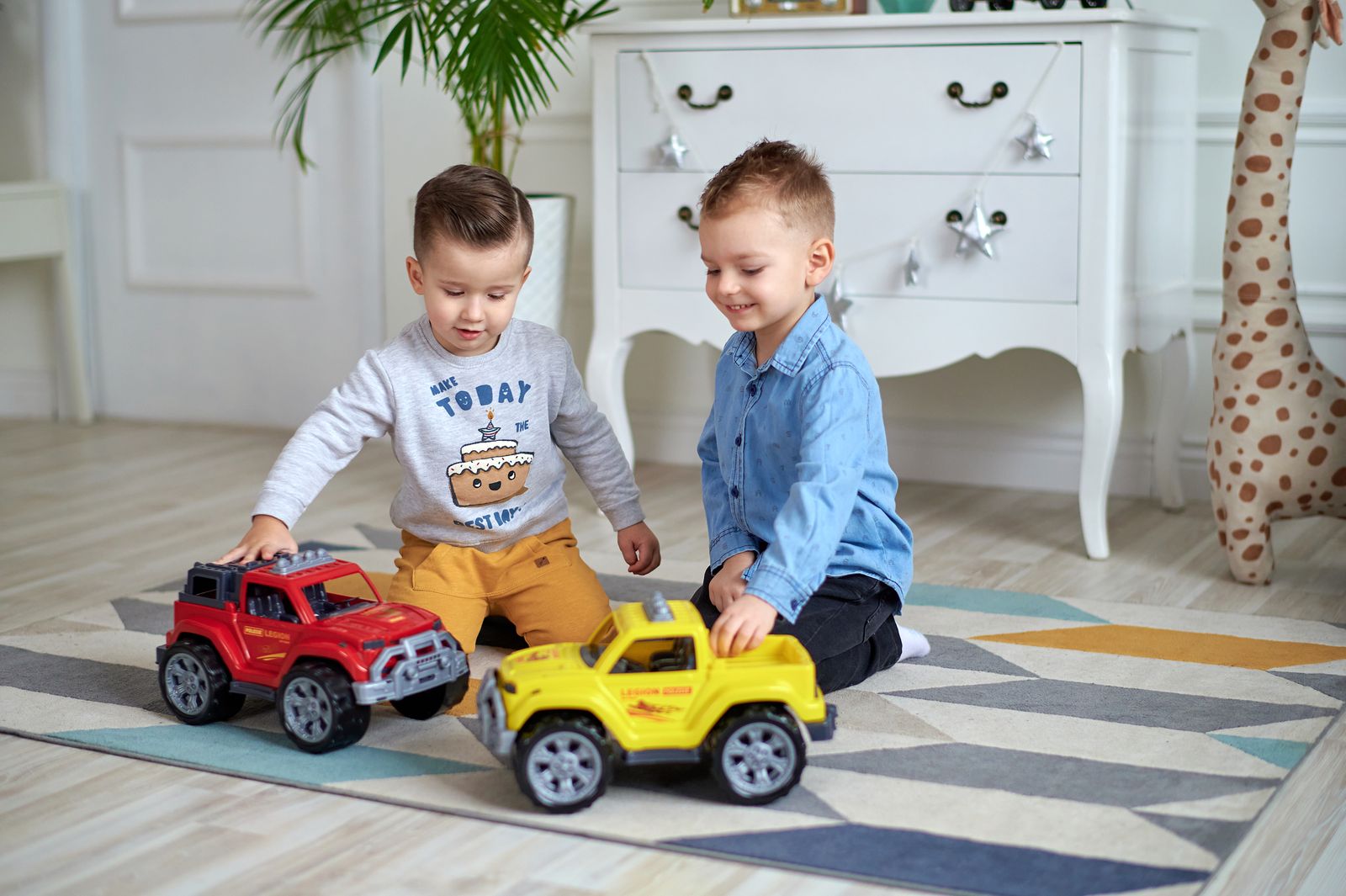
Photo by Polesie Toys on Pexels
- Open one door starting December 1 and leave later doors closed.
- Treat the closed door as a wait, not as a scored test.
- Do not promise a patience gain the listing never states.
- Let the opened pull-back vehicle be played with after the reveal.
- Stop the morning if waiting becomes distress, and keep later doors shut.
- Remember that toddler wording is not a numeric age.
- Leave $29.95 as the vehicle price, not as a lesson fee.
Questions about patience and toddlers
Does the listing mention delayed gratification?
The listing does not use that phrase and does not print a trait score. It describes a countdown that opens one door each day starting December 1.
Can the closed door still be a patience practice?
A household can treat the shut door as a short wait until the next morning. That practice is an interpretation, not a result the page measures.
Are toddlers given a numeric age here?
Toddler language appears, along with wording for children who love vehicles. No number of years is printed, so readiness stays a household judgment.
Does opening every door teach the same lesson?
Opening many doors at once removes the wait the countdown is built on. The listing's pace is one new pull-back vehicle each day.
Related reading
Nearby pages cover screen-free countdown games, a long family tournament, and non-candy sets.
- Screen-free games for a Christmas countdown
- Hosting a 24-day family vehicle tournament
- Non-candy countdown toys that last past one morning
What to do next
On December 1 an adult can open a single door, play briefly with that pull-back vehicle, and leave the rest closed. The wait until the next morning is the only patience practice the schedule supports. No trait score should be written down, because delayed gratification is not a result this $29.95 listing measures.
Cover photo by Polesie Toys on Pexels.