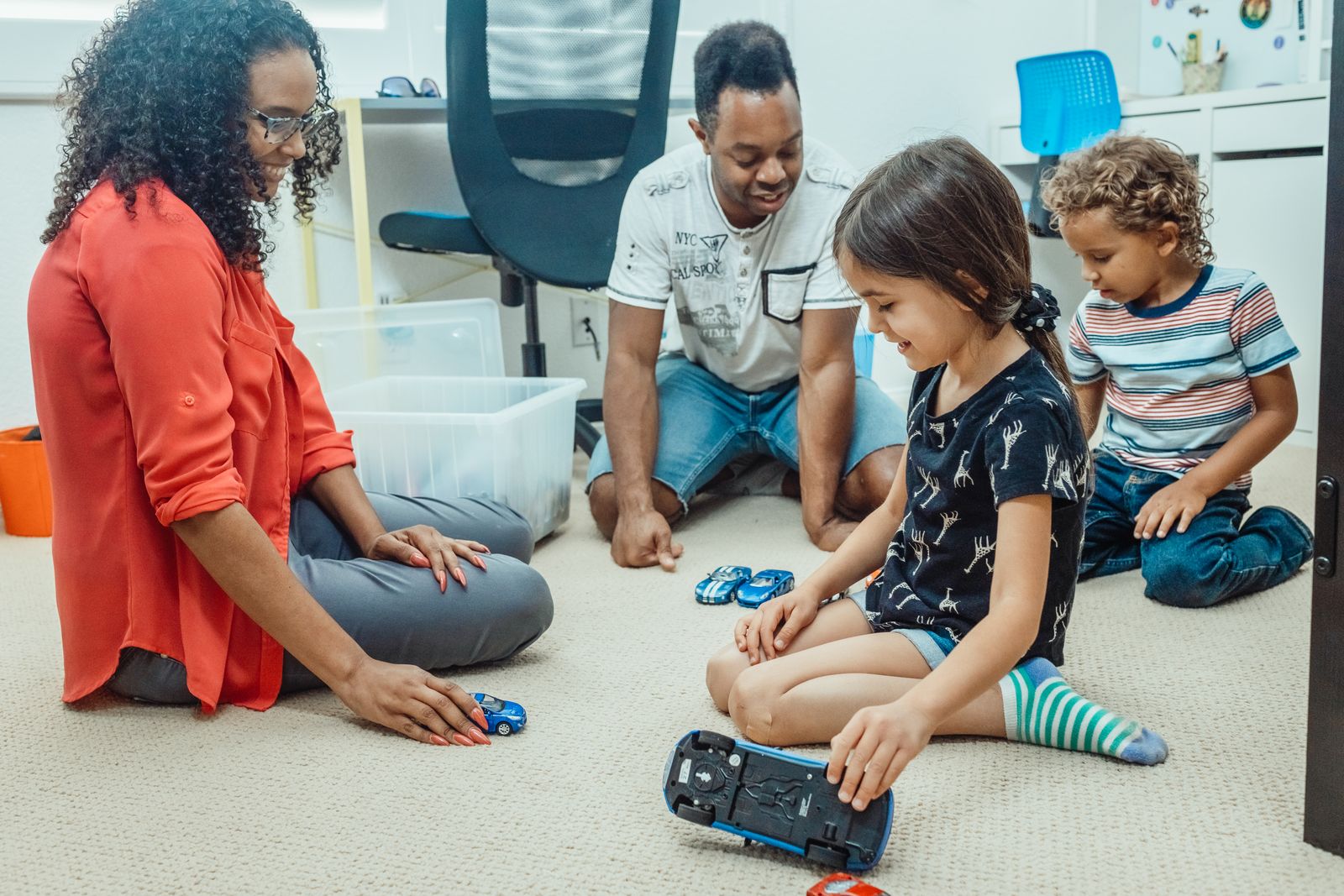
Are Race Car Advent Calendars Safe for Toddlers? Safety FAQ for Parents
Whether these advent calendars are safe for toddlers depends on one printed safety line plus a decision parents still have to make. The listing says the toys are safety tested to United States toy standards and uses toddler wording. It does not print a numeric age, so it does not confirm an age of 3 or any other year.
Toddler safety rests on one printed line
Parents asking if the set is safe for toddlers can start with the only safety sentence on the page. The toys are safety tested and approved, ensuring they meet United States toy standards for safe play. That line is broad. It does not name a code, a laboratory, or a certificate. It also does not say the word toddler inside the standards clause. Toddler appears elsewhere, as audience language for the countdown. Putting the two sentences together is reasonable. Treating them as a numbered clearance is not, because no number is printed.
The rest of the safety-adjacent wording is about the object. Each of the 24 uniquely designed pull-back vehicles is made from durable, high-quality materials and built to last. Durable is not a small-parts diagram and not a drop height. Colorful, high-speed fun describes play, not a crash test. The listed price of $29.95 does not buy an extra certificate. A parent who needs a specific code name will not find it here and should not invent one. The standards sentence can be repeated. It should not be decorated.
Advent calendars without a year attached
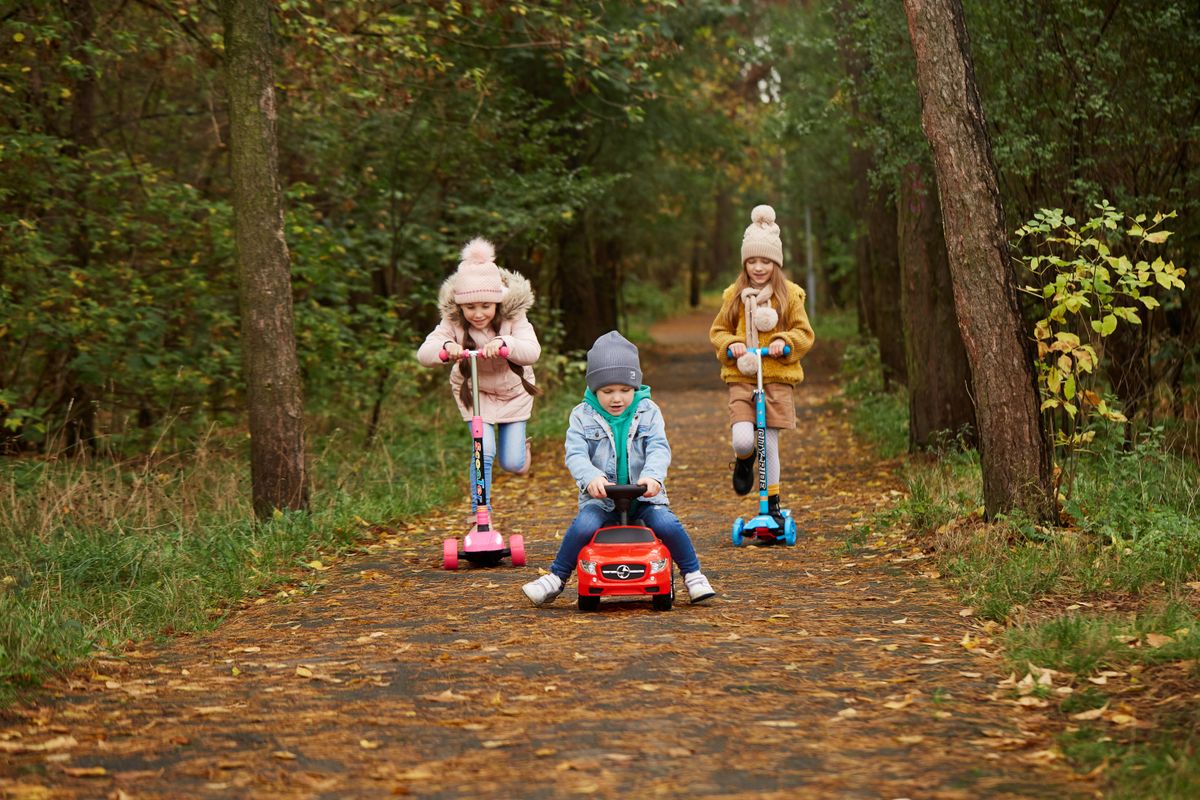
Photo by Polesie Toys on Pexels
Advent calendars in this listing are a December 1 start and one door each day. That schedule is clear. The age of the person opening the door is not. Toddler wording sits beside language for children who love vehicles and for kids who collect, race, and explore. Those groups overlap in ordinary speech and are not defined by years. The listing does not confirm age 3. It does not confirm a younger or older cutoff either. Parents who expected a band such as ages 3 and up will not see it. The absence is the answer, not a cue to guess.
Readiness questions are practical. Does the child still put small objects in the mouth. Can the child hold a vehicle without immediately throwing it down a stair. The page does not answer either question, because it does not know the child. A household that sees mouthing can wait, or can keep the vehicles with an adult and away from the mouth. A household that sees ordinary floor play can offer the day's vehicle. Neither choice is printed as a rule. Coordination of hands and eyes is the skill sentence. It assumes a grip and a watched roll. It does not assume every toddler will do that, and pushing remains play.
Parents still make the readiness call
Parents can keep the call narrow. Open one door. Look at the vehicle. If a piece is already loose, set it aside and do not call that a pass or a fail from the seller. If it looks intact, a short roll on a clear floor matches the play the page describes. Stay nearby. Later doors stay closed so the countdown and the introduction both stay slow. Easy to carry and usable outdoors supports a dry, flat spot, not a street and not a step. High-speed is not permission to race toward traffic.
Nothing in that morning creates a new safety rating. The seller's rating, such as it is, was the standards sentence. Hours of fun, anticipation for Christmas, and hands-on play describe the countdown. The set is an alternative to a tools countdown, so parents are not being offered tools. Collect, race, and explore are the verbs for children who like vehicles. They are not a promise that every toddler will like them. If interest is absent, the door can still have been opened and the vehicle can wait on a shelf. Safety for toddlers, on this evidence, is a standards line plus a parent decision. The year that would make the decision automatic is not on the page.
Toddler questions beside the listing
| Parent question | Listing answer | Still undecided | | --- | --- | --- | | Is there a safety line | United States toy standards | A code name | | Is toddler named | Yes, as audience wording | A numeric age | | Is age 3 confirmed | No number is printed | The household decision | | What is inside | 24 pull-back vehicles | A track or tools | | What does it cost | $29.95 | A safety grade |
Notes before a toddler handles a vehicle
Photo by Khaled Akacha on Pexels
- Repeat the standards sentence without adding a code or a lab.
- Treat toddler wording as language, not as age 3.
- Decide readiness from the child, especially mouthing habits.
- Look for a piece that is already loose and set that vehicle aside.
- Offer one door a day from December 1, with an adult nearby.
- Keep rolls off stairs, wet ground, and the street.
- Do not read $29.95 as a toddler-safety rating.
Questions about toddlers and this set
Are the vehicles stated as safe for every toddler?
The listing uses toddler wording and a United States toy-standards line. It does not say every toddler, and it does not print a numeric age.
Does the page confirm age 3?
It does not confirm age 3 or any other year. Parents who need a numbered band will not find one on this listing.
What play fits the safety sentence?
A short roll of an intact pull-back vehicle, with an adult nearby, stays close to the described play. Street play, stairs, and mouthing tests do not.
Who makes the final readiness call?
Parents or another adult who knows the child make that call. The listing supplies the standards sentence and leaves the year blank.
Related reading
Toddler notes, non-candy countdown ideas, and portable play questions are collected on nearby pages.
- Which vehicle countdown suits a toddler
- A non-candy countdown aimed at toddlers
- Play and safety questions for portable vehicle fun
What to do next
Parents can write the standards sentence, write toddler wording, and leave a blank where a year would go. If the child still mouths small objects, the blank is a reason to wait or to keep vehicles with an adult. If floor play already fits, December 1 can open one door of this $29.95 set without pretending an age was printed.
Cover photo by Kindel Media on Pexels.