5 Daily Math and Spatial Awareness Games Using Your Car Advent Calendar
Daily games using this advent calendar can practice a count and spatial awareness, and the listing does not title five math games. The page gives 24 pull-back vehicles and one door each day from December 1, which is a count a household can say aloud. It does not print a spatial score, a worksheet, or a math objective.
Daily games that use count and position
The listing says the toys are a way for children to count down the number of days until Christmas. That is a real count. It is not a printed arithmetic program, and it does not name addition, shapes, or a grade. Spatial awareness is likewise a household word for noticing where a vehicle is. The page never uses that phrase. It does say children can explore, race, and collect, and that play can cultivate coordination of hands and eyes. Using those lines, an adult can add short games. The games are not hidden behind the doors. The doors hide vehicles.
The schedule keeps the math small enough to trust. Start on December 1. Open one door. The number of opened vehicles can be said aloud. Later doors stay closed, so the spoken count stays aligned with opened doors only if the pace holds. There are 24 uniquely designed pull-back vehicles in all. The listed price of $29.95 does not include a workbook.
Spatial awareness on a floor
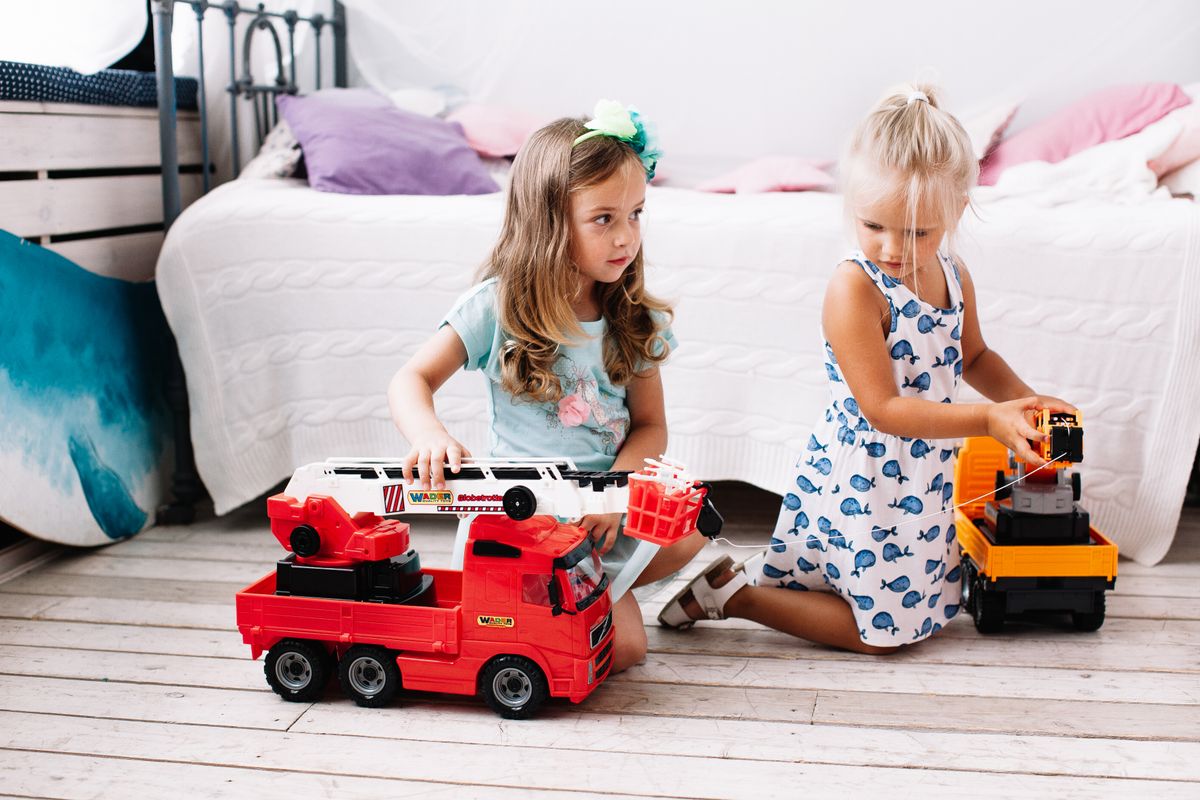
Photo by Polesie Toys on Pexels
Spatial awareness in this setting means position words a child can check with the eyes. Near and far. Left and right. A longer row than yesterday. A vehicle that fits inside a box and one that is placed beside it. None of those words is a clinical test. The listing does not score spatial awareness, does not define a passing placement, and does not say the vehicles are identical in size. Unique designs may look different in the hand. An adult should not announce that one design is longer unless the household is simply looking, not quoting a spec.
The floor should stay as plain as the claim. A clear indoor path lets a roll be seen. The vehicles are easy to carry and can be used outdoors, so a dry, flat spot can work as well. Wet ground, steps, and the street are not part of a position game. Materials are durable, high-quality, and built to last, which is not permission to drop a vehicle in the name of a lesson. Safety tested to United States toy standards is the safety line. It does not mention math or maps. Toddler language appears without a numeric age, so the games are offered, not assigned by a printed band. If the child only wants to push, the count of opened doors can still be spoken. The pull-back release is optional on a morning when interest is elsewhere.
Five games the listing does not title
Five games can rotate without pretending they are official. The first is the count: after the door opens, line up the opened vehicles and say how many are out. The second is the row: notice whether today's line takes more floor than yesterday's line, which is spatial awareness in the most ordinary sense. The third is the aim: set a cushion to the left or the right and release toward it, with no score for a miss. The fourth is near and far: start one roll close to the cushion and another farther back, and talk about the difference without claiming a measured distance. The fifth is the park: set a cardboard box on its side and see which open vehicles fit inside, as a looking game rather than a size chart.
Each game uses the vehicle that is already open. The listing never mentions cards, dice, tape, or a box. Cardboard in the fifth game is a household object, the same way a cushion is. Races of two open vehicles can follow any of the five if the child wants to explore. They stay unmatched for speed, because no speed is printed. Daily games work because the count changes by one, and spatial talk is an optional layer an adult may add.
Daily games and the fact behind each
| Game | What happens | Page fact used | Not claimed | | --- | --- | --- | --- | | Count | Say how many are open | Countdown of days | A math grade | | Row | Look at the line of vehicles | Collect and explore | A length spec | | Aim | Release toward a cushion | Hands and eyes | A hit score | | Near and far | Start from two spots | A watched roll | A measured distance | | Park | See what fits in a box | Unique designs | A size chart |
Running spatial games without extra claims
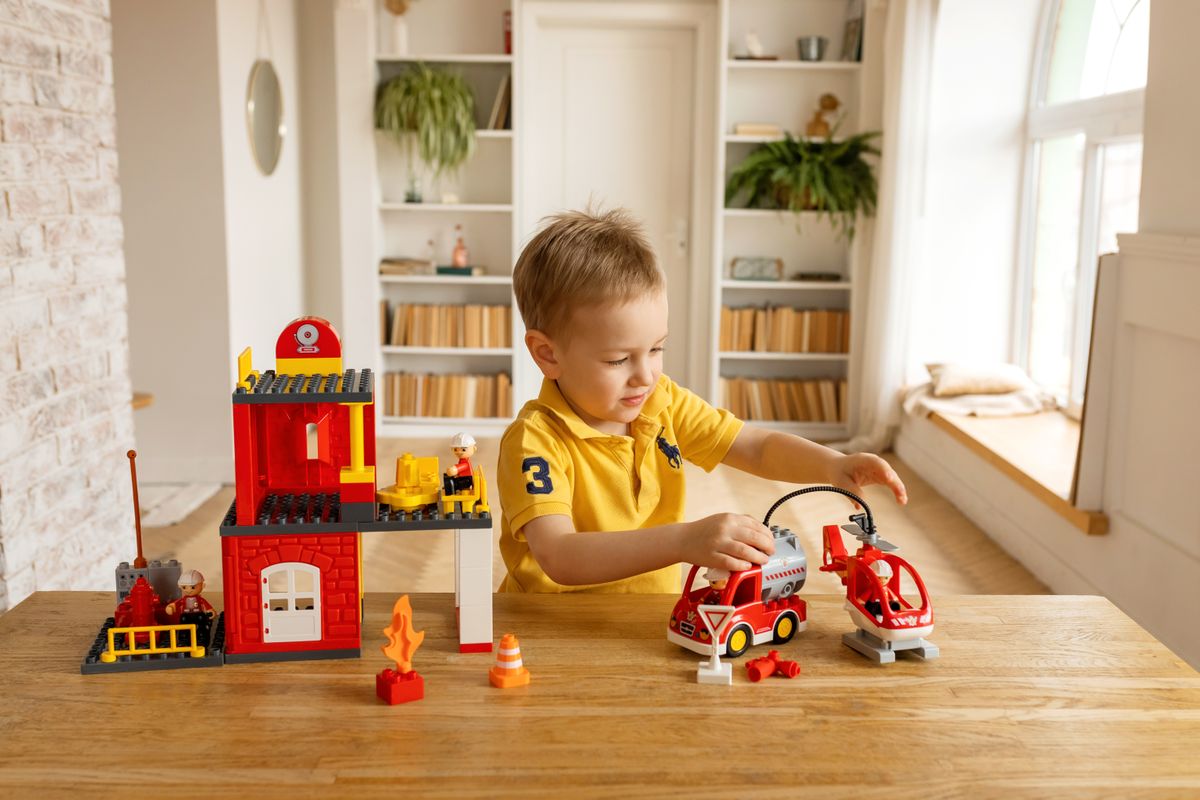
Photo by Polesie Toys on Pexels
- Treat the five games as household ideas, not as printed lessons.
- Open one door a day from December 1 so the count stays true.
- Say the number of opened vehicles without calling it a curriculum.
- Use left, right, near, and far as looking words, not as a test.
- Skip any measured distance, speed, or size the page does not print.
- Keep outdoor play on dry, flat ground, away from the street.
- Leave $29.95 as the price of the vehicles, not of a workbook.
Questions about math and space
Does the listing include five math games?
The listing does not name or number math games. It describes a countdown, pull-back vehicles, and play that can involve hands and eyes.
What count is actually supported?
Children can count the days until Christmas as doors open, one a day from December 1. The page does not set an arithmetic level or promise an unaided count to 24.
Is spatial awareness scored?
Spatial awareness is not a phrase or a score on the page. Position words during play are a household addition, not a result the seller reports.
Do unique designs have printed sizes?
The vehicles are uniquely designed, and no length, width, or weight is printed. A parking game can be a look, not a measurement.
Related reading
Play pages cover daily race ideas, a family tournament, and ways to shape the reveal.
- Daily play ideas for a race vehicle countdown
- Hosting a 24-day family vehicle tournament
- Ways to customize the daily reveal
What to do next
On December 1 an adult can open one door, say the count of one, and place that vehicle near a cushion. The other four games can wait for later mornings, because the listing does not require a five-game plan. Spatial awareness stays a way of talking about position, and the $29.95 set remains a vehicle countdown rather than a math workbook.
Cover photo by Khaled Akacha on Pexels.