
How Pull-Back Car Advent Calendars Boost Fine Motor Skills & Hand-Eye Coordination in Kids
Pull-back car advent calendars support hand and eye practice only in the modest way the listing states, not as a measured boost in fine motor skills. The JOYIN text says play can cultivate coordination of hands and eyes. It does not report a test score, a skill gain, or an age.
The hand and eye note in the listing
The coordination sentence is easy to stretch and should be kept whole. The description says these toys are a way for kids to count down the days until Christmas and that the play can cultivate the coordination of hands and eyes. Cultivate is the seller's verb. It is not a promise of a boost, a therapy plan, or a result a clinic would record. Fine motor skills, the small-hand actions of pinching and releasing, are the family label for part of that motion. The page itself does not use the phrase fine motor skills.
Everything around that sentence is still concrete. There are 24 uniquely designed pull-back vehicles. One door opens each day starting December 1. Each vehicle is described as durable, high-quality material built to last, easy to carry, and usable outdoors. The toys are safety tested and approved to United States toy standards. Children who like to collect, race, and explore are the audience. A household can believe those product facts and still refuse to turn one coordination clause into a developmental guarantee.
Kids meet the motion in a daily dose because of the calendar, not because a curriculum says so. A new vehicle each morning invites another grasp and another release. Repetition is real. A measured improvement is not on the page. Parents who want a boost in the title sense should hear the smaller claim: the toy asks for a hand action while the eyes follow the roll. That is practice of an ordinary kind. It is not evidence that skill will rise by a stated amount.
Motions behind a pull-back release
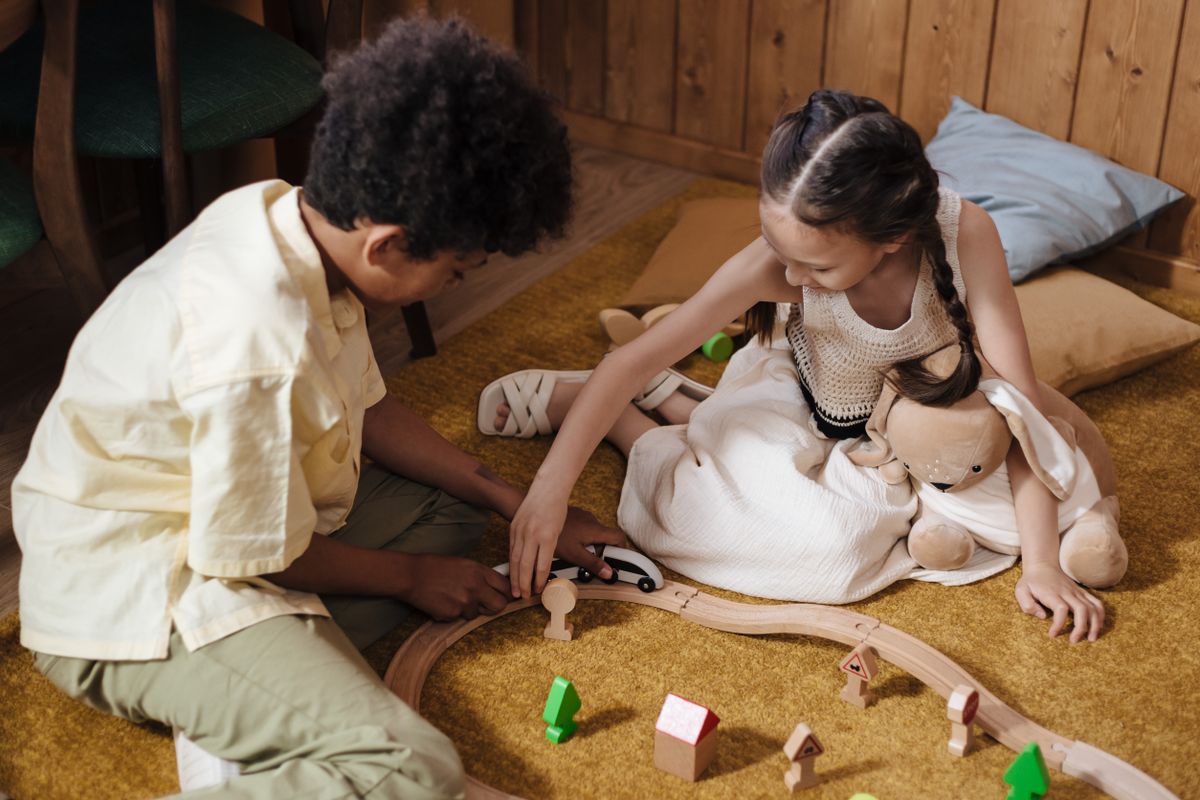
The motion breaks into steps a child can actually do. First the hand finds the vehicle and holds it, which is a grasp. Then the arm draws it backward along the floor, which asks the hand to keep a grip while the body moves. Then the eyes pick a direction. Then the fingers let go. The vehicle rolls, and the eyes track it. Hand-eye coordination, in plain language, is that pairing of a release and a watched result. The listing points at the pairing and stops.
A short session protects the practice from turning into a drill. Three releases are enough. The adult can sit beside the start and let the child do the pull. Taking the vehicle and launching it for the child removes the hand work the coordination note is about. If the child cannot yet let go on purpose, the adult stays and keeps the moment brief. The listing mentions toddlers without a numeric age, so this is a supervision choice, not a milestone chart. No step in the product text says a child should master the release by a certain door.
Unique designs add a little variety to the same skill. A new shape may be easier or harder to hold. The page does not rank them. A household can notice which vehicle the child grips more steadily and does not need to call that notice a test. Outdoor play, which the listing allows, uses the same motion on a different surface. A bumpy porch may make the roll less clear. A smooth indoor floor makes the cause and the path easier to see. Either way, the skill claim stays inside what the seller wrote.
Keeping boost claims inside the evidence
Boost language fails when it borrows authority the listing never offered. There is no cited study, no before-and-after score, and no list of fine motor skills with check marks. A careful article can say the daily pull-back is the sort of grasp-and-release play families associate with those skills. It cannot say the countdown will raise a score, speed a milestone, or replace activities a pediatrician suggested. Those would be clinical claims, and the product text does not make them.
The countdown structure still has a quiet benefit that is not medical. Waiting for one door a day practices anticipation, which the description frames as excitement before Christmas. That wait is part of the product. Opening every door in one sitting removes both the wait and the chance to repeat the motion across many mornings. If the goal is ordinary practice, the seller's pace is the useful one: December 1, then one vehicle at a time, through 24 doors.
Motion versus what is claimed
| Step | What the child does | What the listing claims | | --- | --- | --- | | Grasp | Holds the vehicle | No grip score | | Pull | Draws it backward | Pull-back play | | Aim | Looks along the path | Hand and eye note | | Release | Lets go | No mastery age | | Repeat | One new toy a day | No measured boost |
How to keep the skill claim accurate
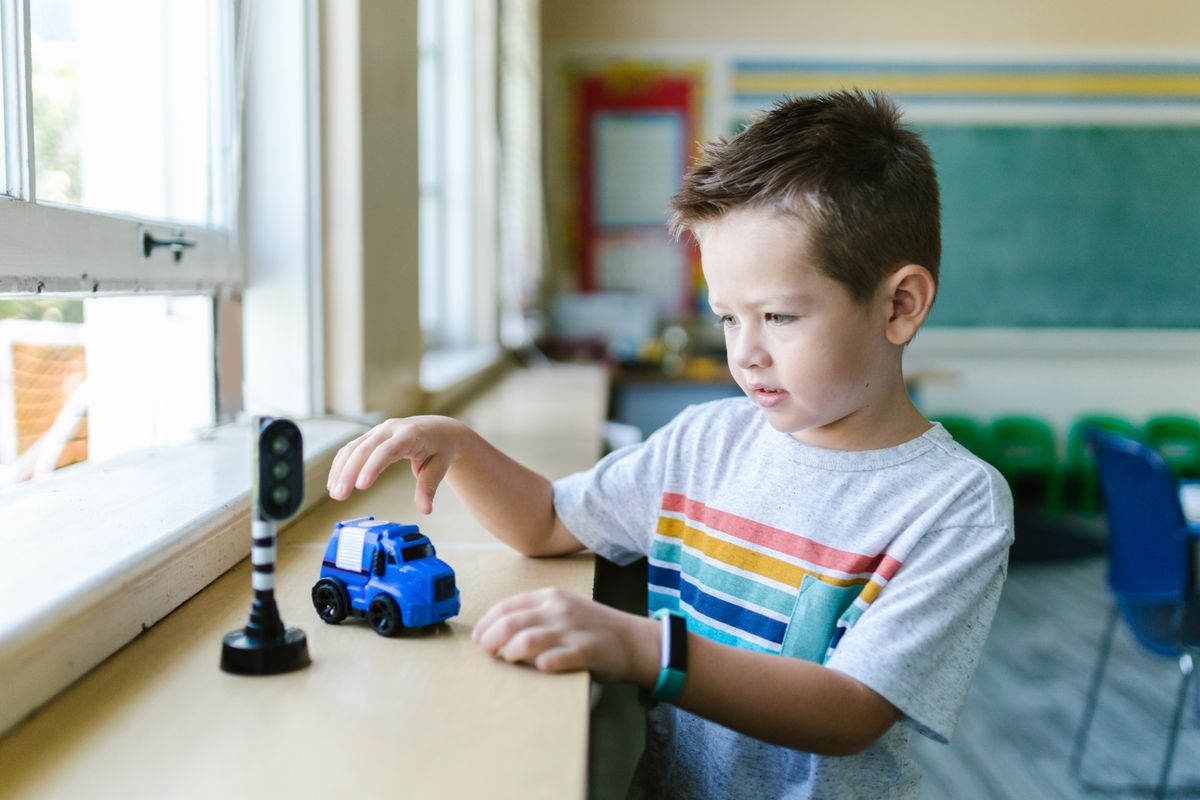
Photo by RDNE Stock project on Pexels
- Repeat the listing line about coordination of hands and eyes.
- Do not claim a measured boost in fine motor skills.
- Let the child do the grasp, pull, and release.
- Keep a session to a few rolls rather than a drill.
- Stay close when a child still mouths small toys.
- Follow one door a day from December 1 so practice can repeat.
- Skip clinical language the product text does not use.
Questions about coordination and motor skills
Does the listing promise a skills boost?
No. It says play can cultivate coordination of hands and eyes. It does not measure a boost in fine motor skills or cite a study.
What motion is the child practicing?
A grasp, a backward pull, an aim, and a release, then the eyes follow the roll. That sequence is ordinary pull-back play, described modestly on the page.
Is there an age for this practice?
The listing mentions toddlers and other kids and prints no number. An adult should use the package age mark and stay nearby when mouthing is still likely.
Does one long session replace the month?
The product asks for one door each day starting December 1. A single sitting removes the daily repetition the countdown is built to provide.
Related reading
Related notes on play and countdowns are in these guides.
- Why families trade chocolate for a toy door
- Questions about the 24-day pull-back set
- Ways to customize the countdown for children
What to do next
An adult can plan three releases after each door and let the child perform the pull. The coordination sentence can be believed at its real size, and any talk of a measured boost should be left out. If a package age mark conflicts with the child in the house, the set waits regardless of the play note.
Cover photo by Dmitry Egorov on Pexels.