Car Advent Calendar Play & Safety FAQ: Developmental Benefits and Portable Fun Tips
Play and safety questions about this car advent calendar are answered first by the listing, not by an assumed age or a packed weight. The page describes daily pull-back play, says the toys are safety tested and approved to United States toy standards, and calls the vehicles easy to carry for outdoor use. It does not list developmental benefits beyond hand-and-eye coordination, and it does not print a numeric age.
Play the listing actually describes
Play on this page is a countdown with a toy at the end of each door. There are 24 uniquely designed pull-back vehicles. December 1 is the start, and one door opens each day. A child can count the days until Christmas while the fleet grows. The listing calls that hours of fun and an interactive way to build anticipation. After the reveal, the motion is specific. The child grips the vehicle, draws it back, lets go, and watches it roll. The page says this can cultivate coordination of hands and eyes. Children who like the set are described as kids who collect, race, and explore.
Those verbs are the play tips the copy will support. A single roll practices the coordination sentence. Two open vehicles on a flat floor are a race in the ordinary sense. A line of opened vehicles is a collection a child can count. The page does not add official rules, a track, or a matched speed. Colorful and high-speed are the words used for the look and the feel. High-speed is not a measured number. Unique designs mean one vehicle may not roll like another. An adult can keep the session short and leave later doors closed so the countdown still has a reason to continue tomorrow.
Safety wording and the blanks beside it

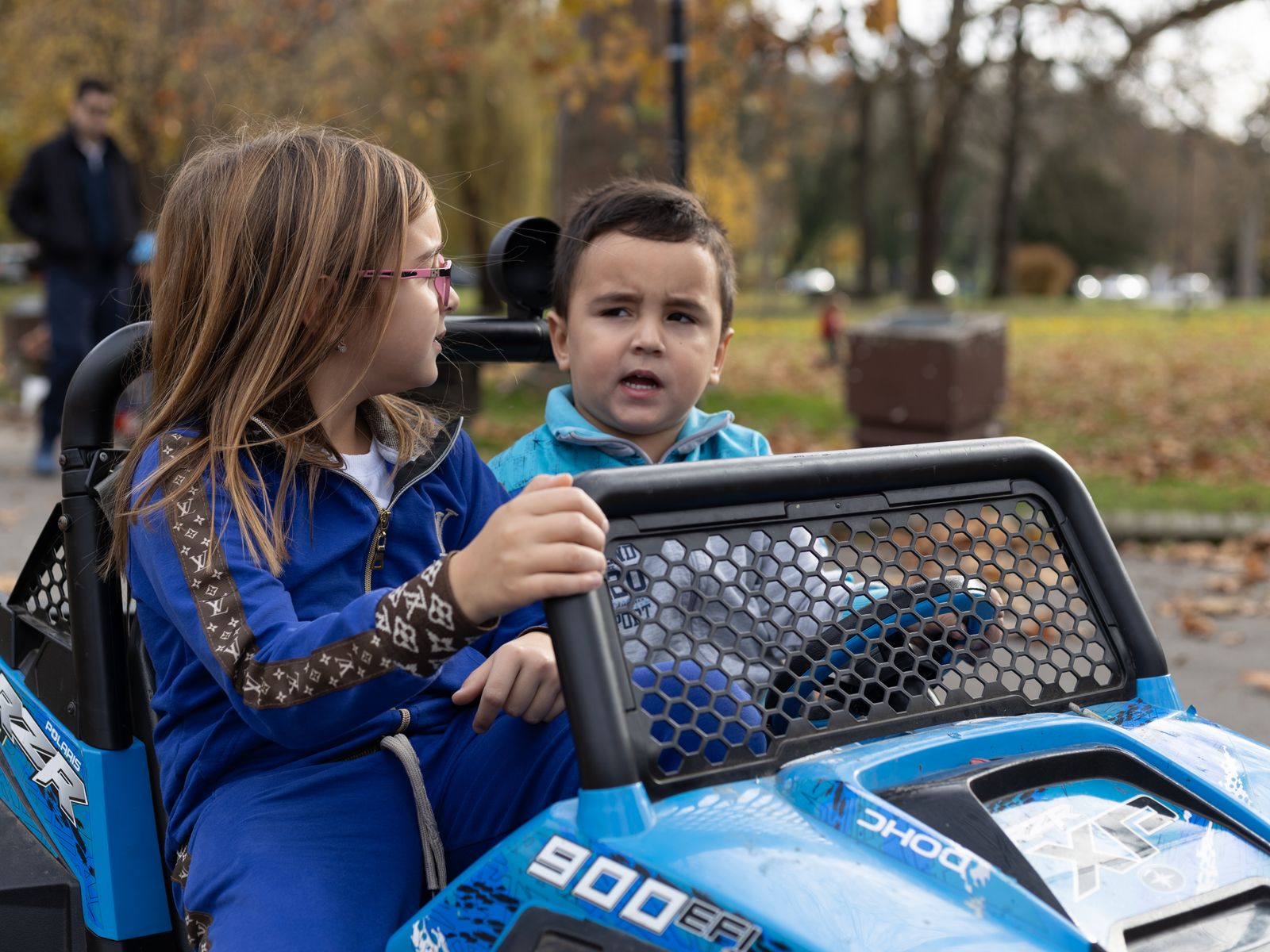
Photo by Boris Hamer on Pexels
The safety sentence is short enough to copy. The toys are safety tested and approved, and they meet United States toy standards for safe play. Parents reading a frequently asked question often want the next line: which standard, which lab, which age. Those next lines are not on the page. No code appears. No laboratory appears. No certificate number appears. The safety claim is still a claim, and it is broader than a blank page. It is not a full file. The listed price of $29.95 does not fill the blanks. Cost is not a test report.
Toddler wording is the age clue the listing does give. It also speaks to kids who love vehicles and to a countdown children can enjoy. It never prints a number. An adult still decides whether the child in the room should handle small rolling vehicles. The page does not discuss small parts, so silence on that point stays silence. Supervision is the practical answer to the gap. Durable, high-quality materials built to last speak to construction, not to a promise that nothing can crack. No warranty term is printed. A damaged vehicle is a reason to pause that vehicle, not a cue to assume a replacement policy the page never states.
Portable use and developmental limits
Portable, on this listing, means easy to carry. The same sentence says the vehicles can be used outdoors. A household can take the opened fleet to a dry, flat spot, roll them, and bring them back. That is the portable fun the words support. No weight is printed. No case size is printed. No trip length is printed. Easy to carry is not a luggage rating and not a weather rating. Wet ground, steps, and the street are reasons to stop. An adult carries the vehicles and stays nearby. The unopened doors can stay at home so the countdown is not spent in one afternoon.
Developmental benefits need the same narrow reading. The page names one: coordination of hands and eyes. Hours of play, a Christmas countdown, and collect-race-explore language describe how children use the toys. They are not a second list of clinical benefits. Nothing on the page measures attention, language, or a motor score. A buyer who wants a longer benefits list will not find it, and the absence should be said plainly. Safety tested is not a developmental endorsement. The JOYIN set can still be a lively daily reveal. It just cannot be described as more than the lines that are actually printed.
Play and safety facts side by side
| Topic | What the page says | What it does not say | | --- | --- | --- | | Daily play | One pull-back vehicle a day | A book of official games | | Coordination | Hands and eyes can be cultivated | A score or a test | | Safety | Tested to United States standards | A code, lab, or age number | | Portable use | Easy to carry and outdoors | A weight or a weather rating | | Materials | Durable and built to last | A named material or warranty |
Using the set within the printed limits
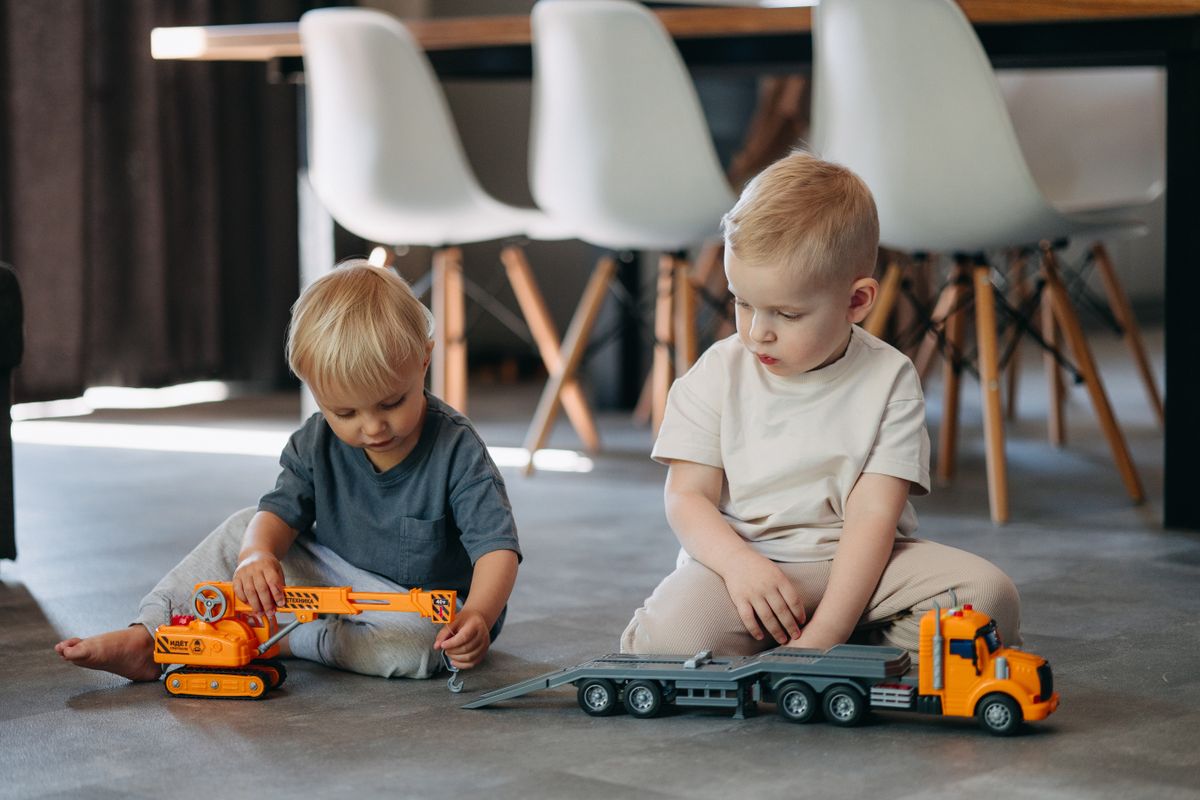
Photo by Polesie Toys on Pexels
- Open one door a day starting December 1.
- Offer a few pull-back rolls, then a count or a flat-floor race.
- Read the safety sentence as a broad claim without a code.
- Judge readiness privately, because no numeric age is printed.
- Treat portable as easy to carry, not as a listed weight.
- Keep outdoor rolls on dry, flat ground and away from the street.
- Name only the hand-and-eye benefit the page actually names.
Questions on play, safety, and carrying
What developmental benefits does the listing name?
The listing says the toys can cultivate coordination of children's hands and eyes. It does not list further developmental benefits or print a score.
Are the toys described as safety tested?
The page says the toys are safety tested and approved and that they meet United States toy standards for safe play. It does not name a code, a laboratory, or a numeric age.
What does portable mean on this page?
Portable here is the line that says the vehicles are easy to carry and can be used outdoors. No weight, case size, or weather rating is printed.
Can every door open on the first morning?
The countdown is one door each day starting December 1. Opening the rest early spends the anticipation the listing describes.
Related reading
Related pages cover toddler safety questions, choosing a tested set, and standards names.
- Holiday safety questions for toddlers and kids
- How to choose a countdown with a safety line
- United States toy standards for holiday calendars
What to do next
An adult can answer the three recurring questions with the page in hand: daily pull-back play, a broad safety sentence, and easy carrying. Blanks for a code, an age number, a weight, and extra developmental benefits stay blanks. December 1 still opens one door, and the outdoor roll stays on dry, flat ground.
Cover photo by Boris Hamer on Pexels.