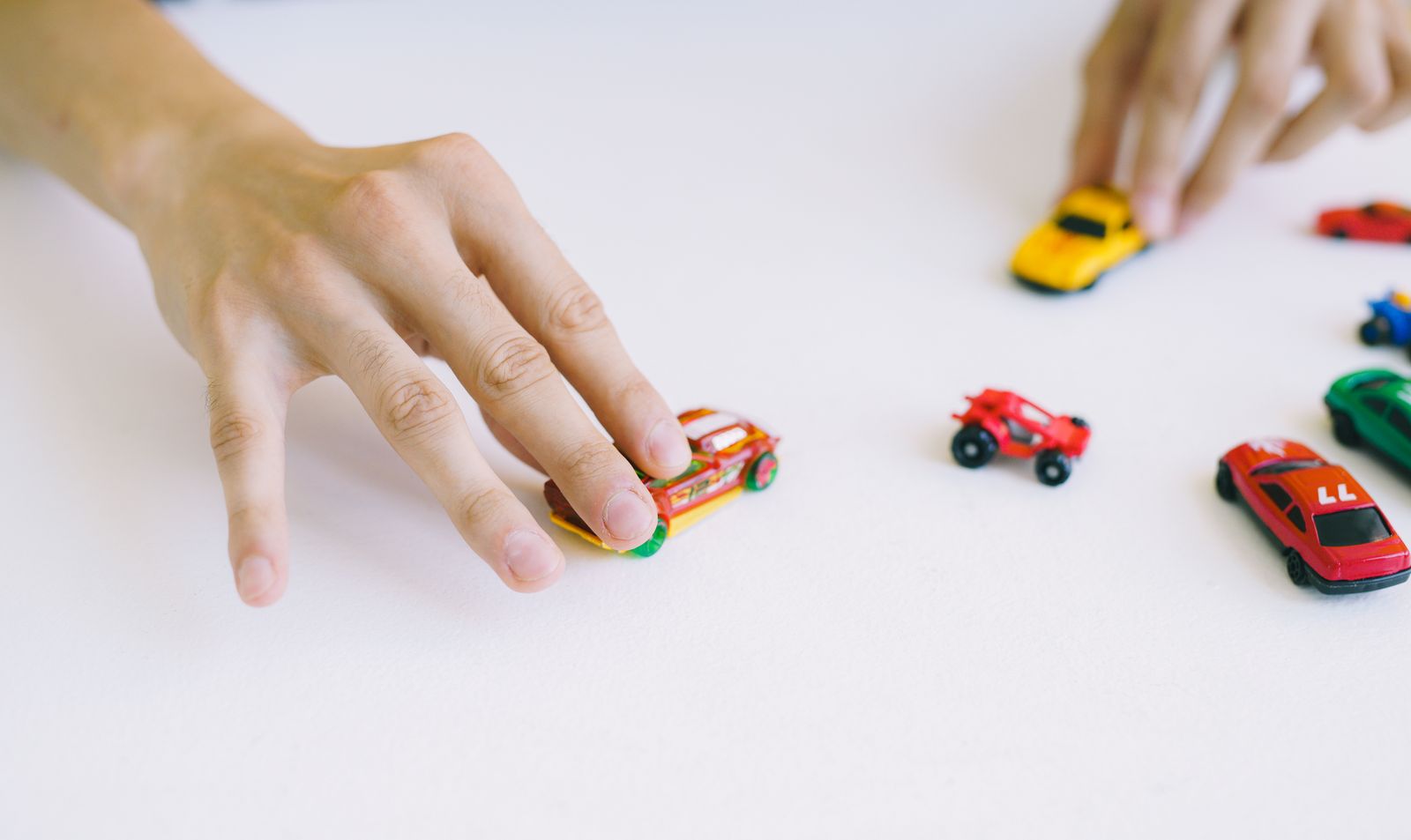
How to Build and Optimize DIY Ramps for High-Speed Pull-Back Cars
A household can build and optimize ramps for pull-back cars by changing one thing at a time until the vehicle rolls cleanly. High-speed, in the listing, is a description of play rather than a measured speed. The page gives 24 uniquely designed pull-back vehicles and no ramp angle.
Ramp shape for a pull-back launch
The launch is the whole mechanism the listing actually describes. A child draws the vehicle backward and releases it so it rolls forward. A ramp only changes the surface under that roll. It does not add a motor the product page never mentions, and it does not turn a wording choice into a number. The product text speaks of colorful, high-speed play. It does not print miles per hour, a weight, a length, or a recommended angle. Optimizing starts by admitting those blanks.
Build the first ramp low. A single cardboard panel, a book under the high end, and a clear run-out are enough. The vehicle should be released with its wheels aimed straight down the slope, not sideways. If it tumbles, the slope is too steep for that design, and the book comes out. If it rolls a short distance and stops on the flat, the ramp is doing a normal job. Chasing a dramatic jump usually means a crash, then a search under furniture, then a morning that ran long.
Run-out space is part of the shape. A ramp pointed at a wall wastes the roll on an impact. A ramp pointed down a hallway lets the household see the difference between two vehicles. Designs are unique, so one may coast farther than the next without either one being wrong. The listing does not claim matched performance. A fair test uses the same start line, the same release style, and the same floor. Changing three things at once makes the result impossible to read.
Small changes that optimize a homemade slope
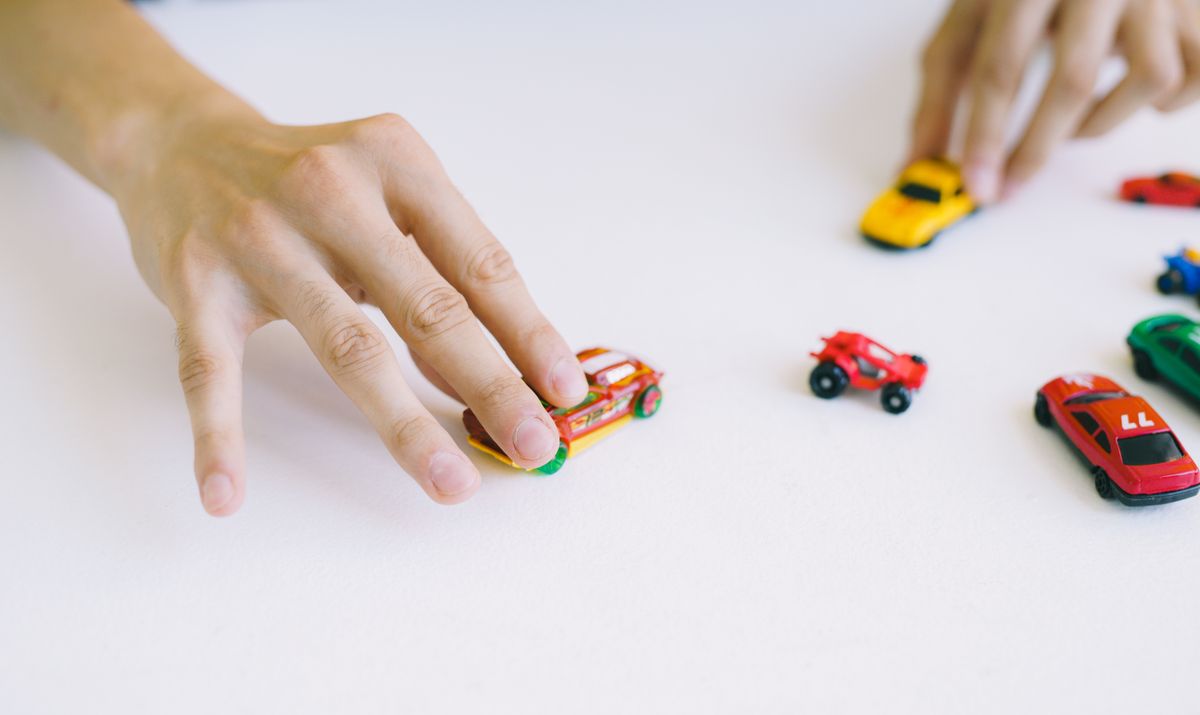
Photo by SHVETS production on Pexels
Optimize the slope before decorating it. The first change is height. Remove thickness until the vehicle stays on its wheels all the way down. The second change is the surface at the bottom. A hard floor usually lets a roll finish. A thick rug often ends it. The household can compare those two surfaces with the same vehicle and keep the one that finishes. That comparison is a home check, not a lab result, and it should be described that way.
The third change is alignment. A crease that bends left will send the vehicle off the panel before the slope is done. Press the crease flat or replace the panel. Tape on the rolling side should be avoided, because a raised tape edge is a bump. Tape on the underside can join two panels if a longer approach is truly needed. Most daily reveals do not need that length. One panel and a honest flat run teach more than a wobbly bridge.
The fourth change is the release, and it belongs to the child. Pulling back harder is not the same as a higher ramp. The listing ties the motion to coordination of hands and eyes, which is a play note, not a score. An adult can mark the start with a pencil line on the cardboard and let the child practice letting go at that line. If the vehicle is still held during the launch, the ramp is not the problem. Fix the release before adding height in the name of speed.
Speed words versus a measured roll
Speed words are easy to over-read. High-speed, on this page, sits in a holiday description beside color and play. It is not a specification. A household that wants a faster-looking roll can clear a longer flat path, lower friction by leaving the rug, and keep the slope gentle enough to avoid a tumble. Those steps may increase the distance the eye sees. They still do not produce a number the seller withheld. Writing a guessed speed on a family chart would invent a fact.
Outdoor ground changes the same variables. The vehicles are easy to carry and can be used outdoors. A dry, smooth porch is closer to an indoor hard floor. Gravel, wet wood, and a sloped driveway are different problems, and the listing rates none of them. Cardboard also softens when damp, so an outdoor test should be short and brought inside. The safety-tested and approved line, tied to United States toy standards, still describes the toys rather than the ramp or the pavement.
One change at a time
| Change | What to try | Stop when | | --- | --- | --- | | Height | Lower the book | The vehicle stops tumbling | | Surface | Hard floor versus rug | The roll can finish | | Alignment | Flatten the crease | The path stays straight | | Release | Let go at a marked line | The hand is off the toy | | Run-out | Point away from walls | The finish is visible |
Optimize a ramp without inventing a speed
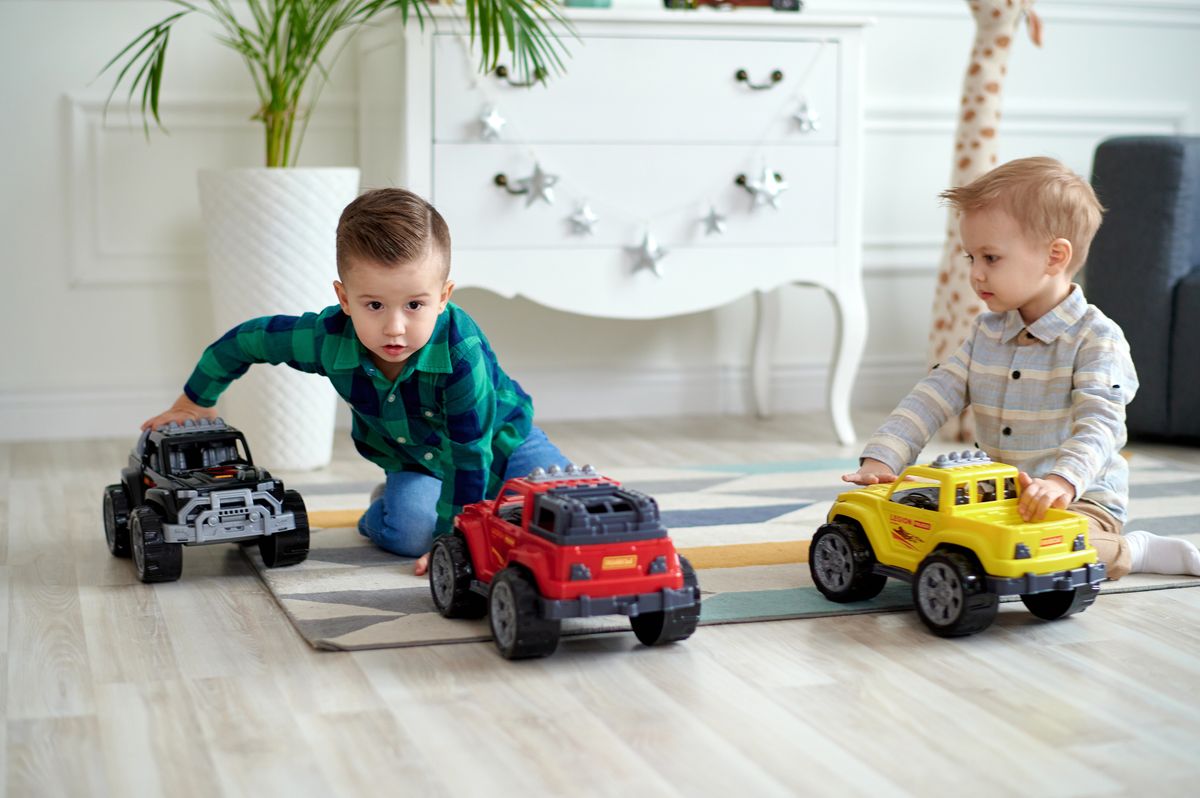
Photo by Polesie Toys on Pexels
- Read high-speed as listing language, not as a measured speed.
- Build a low cardboard slope before trying a steep one.
- Change only height, surface, or alignment on a given roll.
- Keep tape off the surface the wheels touch.
- Leave a clear run-out so the roll is not a crash.
- Keep later doors closed while the first vehicle is tested.
- Do not write a speed number the listing does not print.
Questions about optimizing a slope
Does the listing state a speed?
No. The product text uses high-speed language for the play and prints no measurement. A household test can compare rolls, but it cannot fill in a missing number.
Will a steeper ramp make the cars faster?
Often it makes them tumble. A lower slope that keeps the wheels down is the better first adjustment, because the page gives no angle to copy.
Are the ramps included?
No. The set is 24 uniquely designed pull-back vehicles, opened one a day from December 1. Ramps are a household project around that set.
Should every vehicle use the same height?
Not always. Designs are unique, and the listing does not claim they match. Keep the ramp adjustable and retest when a new vehicle comes out.
Related reading
Readers tuning December play can open these three guides.
- Questions before personalizing a countdown
- Ways to customize the countdown for children
- Why some families skip chocolate doors
What to do next
An adult can cut or fold one low panel, point it at an open floor, and test the first vehicle with three releases. If the vehicle tumbles, the next move is less height. A written speed can wait forever, because the listing does not provide one to copy.
Cover photo by SHVETS production on Pexels.