How Pull-Back Toy Cars Build Fine Motor Skills and Hand-Eye Coordination in Toddlers
Pull-back toy cars can give toddlers a short sequence of grasp, draw-back, release, and watch, which is the hand-and-eye practice the listing names. The page says these vehicles can cultivate the coordination of children's hands and eyes. It does not measure fine motor skills or print a score.
Motions that ask the hands and the eyes
A pull-back vehicle asks for a small set of motions. A child grips the body, draws it backward, aims, and lets go. The eyes then follow the roll. Those steps can build repeated practice. Families often file that practice under fine motor skills, because the fingers, the wrist, and the aim all have a job. The listing itself uses a narrower sentence. It says the toys can cultivate the coordination of children's hands and eyes. Coordination is the claim on the page. A measured gain in motor skills is not.
The set holds 24 uniquely designed pull-back vehicles. One door opens each day starting December 1, so the new motion is attached to a new shape rather than to a pile opened at once. Designs differ, and the page does not claim they share a weight or a speed. A child may need a firmer grip on one vehicle than on another. That difference is a reason to stay nearby with toddlers, not a reason to announce a skill level. The listing describes the vehicles as colorful and calls the play high-speed, yet it never prints a measured speed. The listed price of $29.95 does not rank the set as a developmental tool.
What coordination claims do not measure
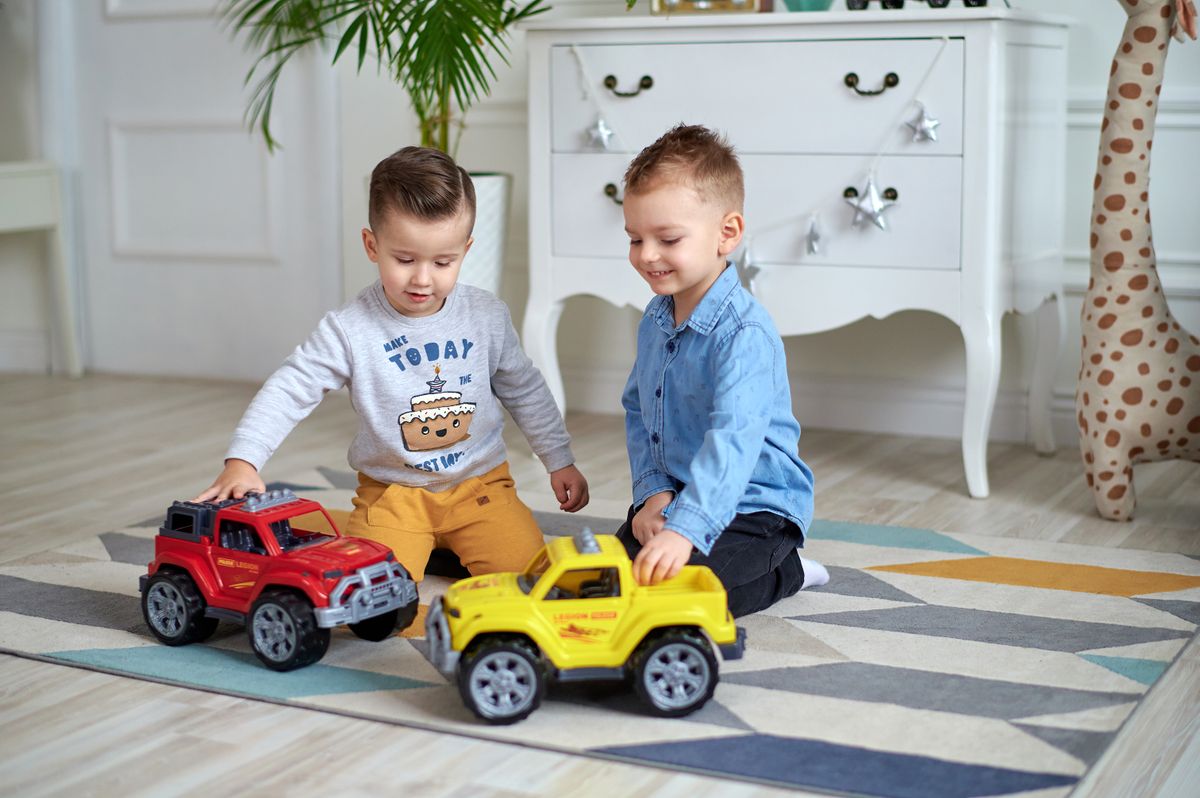
Photo by Polesie Toys on Pexels
Hand-eye coordination, in ordinary play, means the hands do something while the eyes check the result. A roll that reaches a cushion is feedback a child can see. A roll that curves into a table leg is feedback too. The listing does not define a target distance, a success rate, or an age when this practice should look a certain way. Toddlers develop on different timetables, and this page is not a clinical note. Reading a motor-skill gain into a single sentence about coordination would go past the text.
There is no printed age number at all. The description mentions toddlers and kids who love vehicles. An older child can use the same pull-back motion, and a younger child may only want to push. Pushing is still play, but it is not the draw-back and release the mechanism asks for. The page does not describe a battery, a switch, or an electrical motor. Skills talk should stay tied to the hand motion that is actually required. Nothing in the materials line changes that limit. The vehicles are called durable, high-quality material built to last, which speaks to construction, not to a tested improvement in motor skills.
Short sessions for toddlers
Short sessions fit the countdown better than a long drill. A few releases of the new vehicle are enough to practice the grip and the watch. Yesterday's vehicle can sit beside it for a second turn if the child asks to race. Future doors stay closed so the month still has something to open. The listing frames the toys as a way for kids to count down the days until Christmas, and as play for children who like to collect, race, and explore. A side-by-side roll is a race. It is not a test with a passing score, and the page does not say the designs share a speed.
The vehicles are easy to carry and can be used outdoors. A flat, dry path gives the eyes a longer roll to follow, which is another way to practice the coordination the listing names. Wet ground, steps, and the street are reasons to go back inside. An adult keeps the session short and pockets the fleet when it ends. Practice can return the next morning with one new door. The safety line, that the toys are safety tested and approved to United States toy standards, is a play-safety claim. It is not a developmental endorsement, and it does not name a code or a numeric age. Households that want a motor-skill score will not find one on this page, no matter how often the pull-back motion is repeated.
Motions versus what the page measures
| Motion | What the child does | What the page claims | | --- | --- | --- | | Grip | Holds the vehicle body | No grip-strength number | | Draw back | Pulls against the mechanism | No resistance figure | | Release | Lets go so the vehicle rolls | No accuracy score | | Watch | Eyes follow the path | Hand-and-eye coordination | | Repeat | One new vehicle each day | No skill-gain study |
A short coordination session
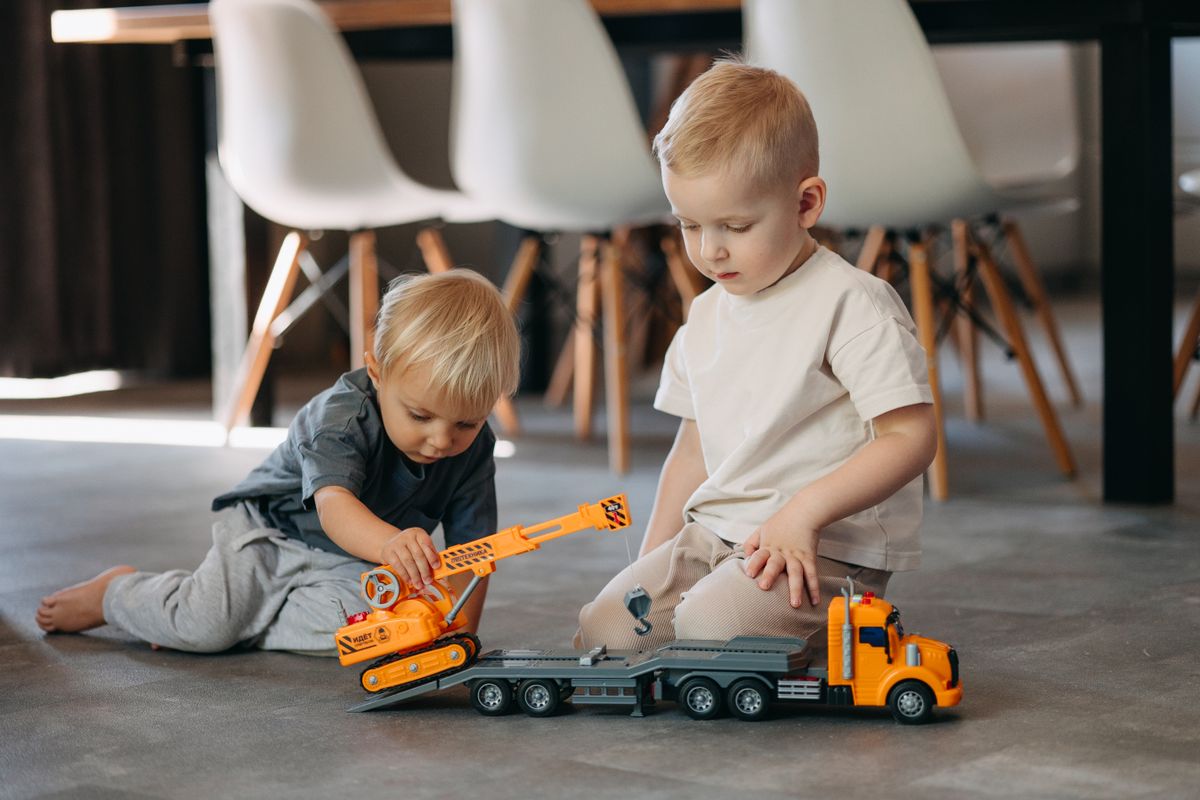
Photo by Polesie Toys on Pexels
- Wait for December 1, then open only the day's door.
- Let the child grip, draw back, and release the new vehicle.
- Keep the first rolls on a clear floor so the path is easy to see.
- Treat a missed aim as play, not as a failed motor-skill test.
- Leave later doors closed so tomorrow still has a reveal.
- Move outdoors only to a dry, flat spot with an adult nearby.
- Remember that $29.95 and the safety line are not developmental scores.
Questions about motor practice and this set
Does the listing claim a fine-motor result?
The listing says the toys can cultivate the coordination of children's hands and eyes. It does not print a fine-motor score, a study, or a clinical result.
How many vehicles support that daily practice?
The set includes 24 uniquely designed pull-back vehicles. One door opens each day starting December 1, so the practice is paced across the countdown rather than dumped out at once.
Are toddlers given a numeric age on the page?
The description mentions toddlers and kids who love vehicles. It does not print a numeric age, so readiness is a household judgment rather than a grade on the listing.
Does a faster roll mean a better skill outcome?
The page calls the play high-speed and does not print a measured speed. Designs are unique, and nothing on the page ties a longer roll to a motor-skill gain.
Related reading
Related notes cover hand-eye play, age wording, and the 24-day set itself.
- How pull-back countdowns support hand-eye coordination
- Vehicle countdown choices for toddlers and preschoolers
- A question guide to the 24-day pull-back set
What to do next
On December 1, an adult can offer the first vehicle, watch the grip and the release, and stop after a few rolls. The coordination sentence on the listing is the claim to keep, and any motor-skill score would have to come from somewhere else. The next door waits until the next day.
Cover photo by olia danilevich on Pexels.